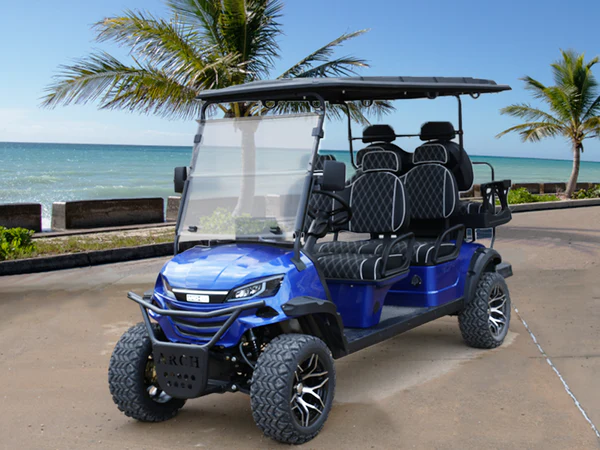
Electric golf carts and light utility vehicles are no longer confined strictly to golf courses. Across India, premium hotels, luxury resorts, gated townships, commercial tech parks, airports, and industrial complexes are deploying electric fleets to manage short-distance passenger commutes and logistics silently and sustainably.
However, procurements for light mobility fleets represent a major capital investment. Making the correct decision requires analyzing factors beyond vehicle design. To help buyers, we have compiled this comprehensive evaluation guide covering technical, battery, and support specifications.
1. Local Environmental Demands
Unlike cooler climates, operations in India expose vehicles to extreme heat, heavy monsoon moisture, and uneven pavement. Standard import vehicles often fail due to structural stress or thermal bottlenecks. When checking chassis, ensure:
- Rust Resistance: Look for hot-dip galvanized steel chassis or high-tensile structural aluminum, which protects components during coastal operations and monsoons.
- Suspension Systems: Double-wishbone front suspension combined with leaf springs and shock absorbers ensures high stability on rough paths and speeds bumps.
- Tire Selection: Verify that tires have turf-friendly tread configurations to prevent turf damage while offering enough grip for concrete and brick-paved lanes.
2. Battery Life: Lithium vs. Lead-Acid
The battery pack is the heart and highest-cost component of your electric cart. Standard deep-cycle Lead-Acid batteries have been replaced by high-performance Lithium technology.
- Lithium Iron Phosphate (LiFePO4): This battery chemistry offers 3,000+ charge cycles (typically 8 to 10 years of service), zero maintenance, fast charging (2-3 hours), and built-in battery management safety.
- Deep-Cycle Lead-Acid: While cheaper initially, they last only 500-800 cycles (2 to 3 years), require weekly distilled water topping, and generate acid fumes.
For commercial fleets, Cartenza EV recommends deploying LiFePO4 battery systems due to their superior lifecycle ROI and lower maintenance costs.
3. AC Motors & Smart Controllers
The motor and electronic speed controller determine the vehicle's driving experience and safety profile.
- Motors: Standard DC motors have high heat wear. Prefer modern brushless PMSM (Permanent Magnet Synchronous Motor) AC motors, which offer higher efficiency, lower thermal profiles, and stronger torque for climbing slopes.
- Speed Controllers: Intelligent controllers (like Curtis smart systems) regulate motor currents, provide auto-braking on slopes, and support regenerative braking to charge the battery when coasting.
4. Customization & Enterprise Fleet Fit
A single standard layout cannot satisfy all commercial operations. A modular platform should allow easy reconfiguration:
- Resort & Airport Shuttles: Choose passenger orientations ranging from 4-seater to 15-seater configurations, with front-facing seats preferred for long transits.
- Cargo & Utility Operations: Ensure availability of hydraulic steel loader beds, secure lockable cargo compartments, or garbage tipping platforms.
- Brand Customization: Professional applications require premium body paint matching resort decor, corporate logos, and clear weatherproof enclosures for monsoons.
5. Warranty Terms & Service Networks
A vehicle is only as good as the service backing it. When reviewing catalog brochures, verify after-sales service terms:
- Warranty Coverage: Commercial units should include at least a 3-year warranty on chassis frames, BLDC/PMSM motors, and controllers, alongside a 2-year warranty on the lithium battery suite.
- Spare Parts Availability: Ensure that local service hubs house replacement controller modules, steering components, and battery cells to prevent extended downtime.
- On-Site Technical Auditing: Ask if technicians perform field diagnostic audits at regular intervals to maintain fleet health.